Understanding the GHS: The Around The World Integrated System of Classification and Labeling of Chemicals
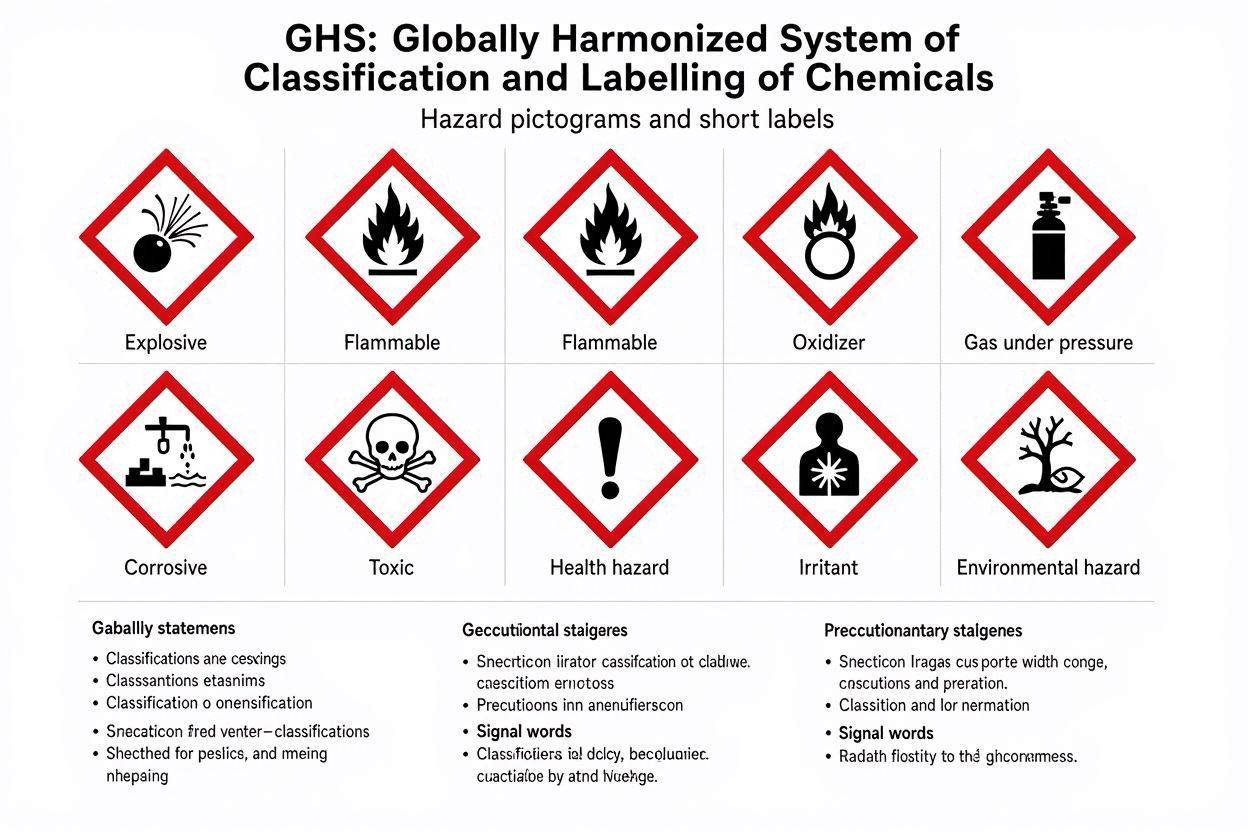
The Worldwide Harmonized System of Classification and Labeling of Chemicals (GHS) is a pivotal effort focused on systematizing the method unsafe materials are classified and classified around the world. Developed by the United Nations, GHS offers to secure human health and wellness and the setting by offering regular guidance on the threats related to chemical products. By harmonizing communication about chemical risks, the GHS help in making sure that workers, consumers, and emergency situation employees have accessibility to clear and concise details, which is important for safety in dealing with chemicals. Click here to get SDS on your phone now.
At the heart of the GHS are its category standards, which categorize chemicals based upon their physical, health, and ecological dangers. These categories are important for establishing the ideal labeling and safety data sheets (SDS) required for each and every chemical. The system makes use of standardized symbols, referred to as pictograms, which show the kind of hazard, such as poisoning or flammability. By aesthetically conveying these hazards, the GHS application assists in better understanding and quicker response in scenarios involving chemical direct exposure or spills.
The labeling aspect of GHS is just as vital. Tags must consist of vital information, such as the chemical identity, hazard pictograms, signal words (like "Threat" or "Warning"), hazard declarations, preventive declarations, and the provider's information. This thorough strategy is particularly important for work environments where employees may encounter direct exposure to different chemicals. With well-placed emphasis on safety treatments, the GHS labels help reduce threats and motivate risk-free handling techniques among customers.
Regardless of its advantages, the worldwide fostering of the GHS safety data sheets - SDS has actually seen varying levels of success. While lots of nations have actually embraced it fully, others remain to fight with the shift from previous governing structures. This inconsistency can produce challenges in worldwide profession and conformity, as companies should navigate differing guidelines depending upon the regions in which they operate. For that reason, continuous efforts towards widening the GHS framework and promoting its execution are critical for accomplishing the desired safety goals.
Finally, the Around the world Integrated System of Category and Identifying of Chemicals is a vital action towards developing a safer and more educated global neighborhood. By systematizing threat interaction, GHS plays an important duty in lowering chemical-related events and enhancing safety in numerous settings. As even more countries strive to execute this system properly, the cumulative understanding and recognition concerning chemical threats will grow, ultimately benefiting public health and wellness and ecological sustainability. The recurring commitment to education, conformity, and enhancement of the GHS will certainly be integral to its future success and effectiveness in hazard communication.
For more understanding of this article, visit this link: https://en.wikipedia.org/wiki/GHS_hazard_pictograms.
